BFT unit control: how to choose the right plate
A united BFT control receives the radio commands, starts the engines and tracks the photocells. It depends on slowing, force and automatic shutdown. Therefore, the appropriate plate makes the difference between a lin-going gate and one that stops often, for no apparent reason.
In short: choose the plate after the voltage of the engines, the number of operators, the type of operation and the safety accessories of the installation.
Do you need help choosing?
Tell us what you need and we'll send you the offer on the same working day.
A correctly chosen plate prolongs the life of motors and simplifies service. Templates THALIA and ZARA BT L2 works with operators 24 V, while ALENA SW2 and RIGEL 6 works at 230 V. Also, PERSEO CBE controls bollards, and VEGA and ELBA They serve the garage doors. So, you always start from the motors and safety accessories of the gate. Choose a Unit Control BFT suitable in category control stations.
A BFT unit control coordinates everything that happens to an automatic gate. First, receive the signal from remote control, then turn on the engines and listen to the photocells. It also decides when it slows down the gate sheet and when it completely stops it. Therefore, the choice of the plate matters as much as the choice of the engine.
In this article we compare models in the BFT Store range and explain the difference between 24 V and 230 V plates. Then we show you what you check before assembly, starting from real products in the category control stations.
What makes a BFT control unit
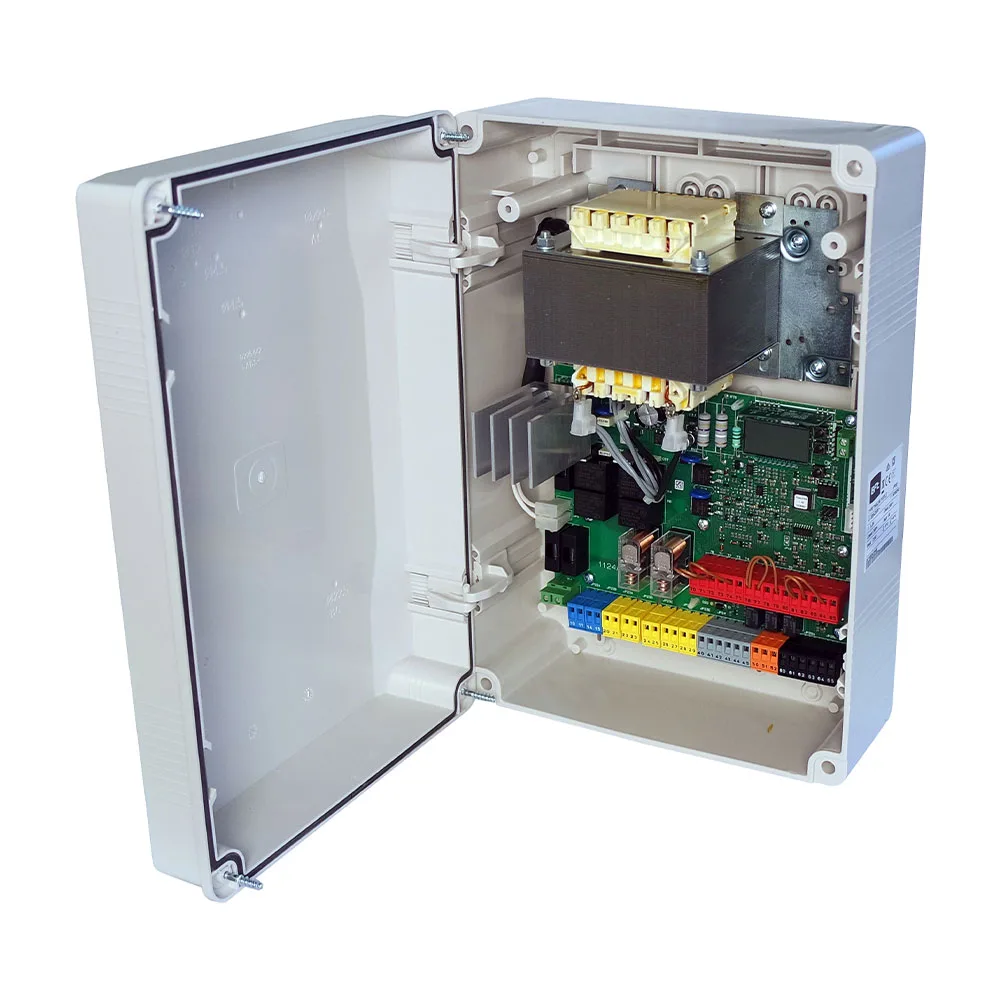
In short, the plate turns a pulse into a controlled and safe move. First, the radio receiver reads the remote control code. Then, the logic of the plate checks safety inputs, such as photocells or sensitive edges. Only after that do they power the engine in the right direction.
In addition, the board manages working times, i.e. the break before closing, force and slowing down area. In some models, the adjustment is made from dip switches and potentiometers. Instead, a BFT control panel with display provides easy-to-follow menus.
Models for 24 V swing gates
The 24 V motor gates have the most options in the range. For example, central BFT THALIA has a display and controls one or two 24 V electromechanical operators. Version BFT THALIA P accept 24 V hydraulic operators. It also manages the electrical lock, so it fits complex installations.
On the other hand, BFT panel ZARA BT L2 give up the display. Thus, this BFT unit control is controlled from dip switches and potential meters. Therefore, it is preferred by fast-working installers without menus.
Why 24 V Voltage Matters
The 24 V engines start up smooth and stop at the end of the race. However, they need a plate built exactly for this voltage. So you never combine a 230 V plate with a 24 V motor.
BFT control unit for 230 V motors
For 230 V operators, the BFT Store range offers other plates. For example, BFT panel ALENA SW2 has a slowing and commands one or two operators up to 400 W each. The manufacturer indicates it for folding swing gates and industrial doors. At the same time, universal panel BFT RIGEL 6 has display and supports two 650 W operators.
Simpler, the unit BFT ALCOR AC A has a built-in receiver and no display. So, a united control BFT of this type reduces the number of components in the box.
Plates for garages, shutters and bollards
Range doesn't stop at gates. For example, the BFT VEGA BTL2 Quadro CPEL board controls one or two door garage operators. Then, the BFT ELBA BU, at 230 V single phase, comes with two remote controls with 4 channels. In addition, the BFT SHYRA CPEM panel accepts sliding gates and swing gates, shutters and doors with opening over the head.
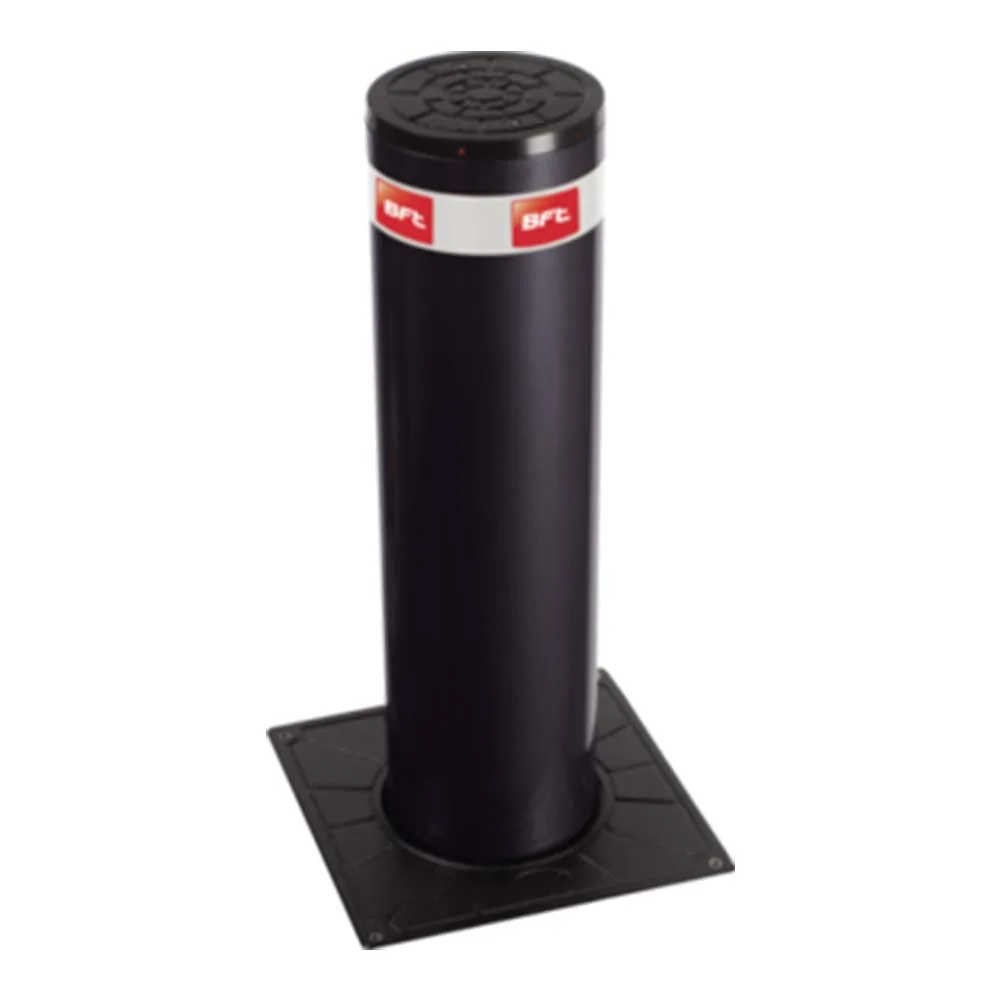
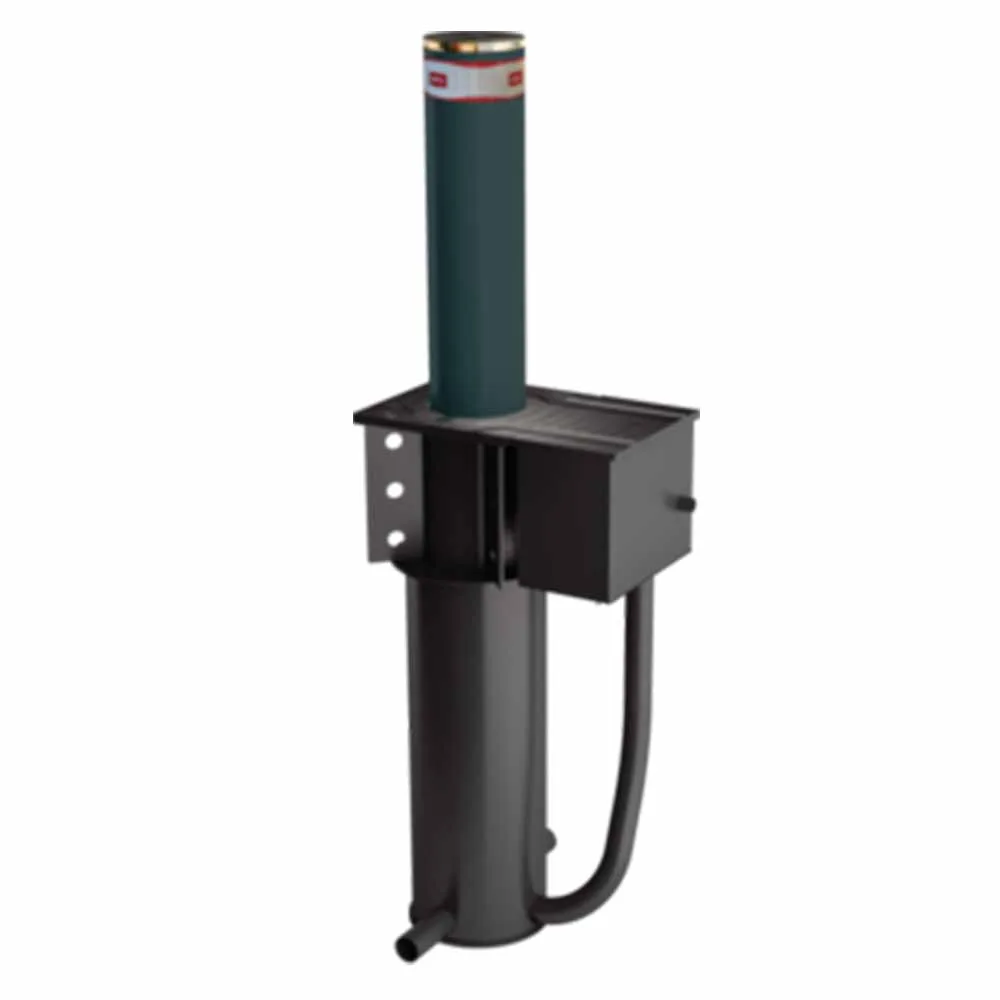
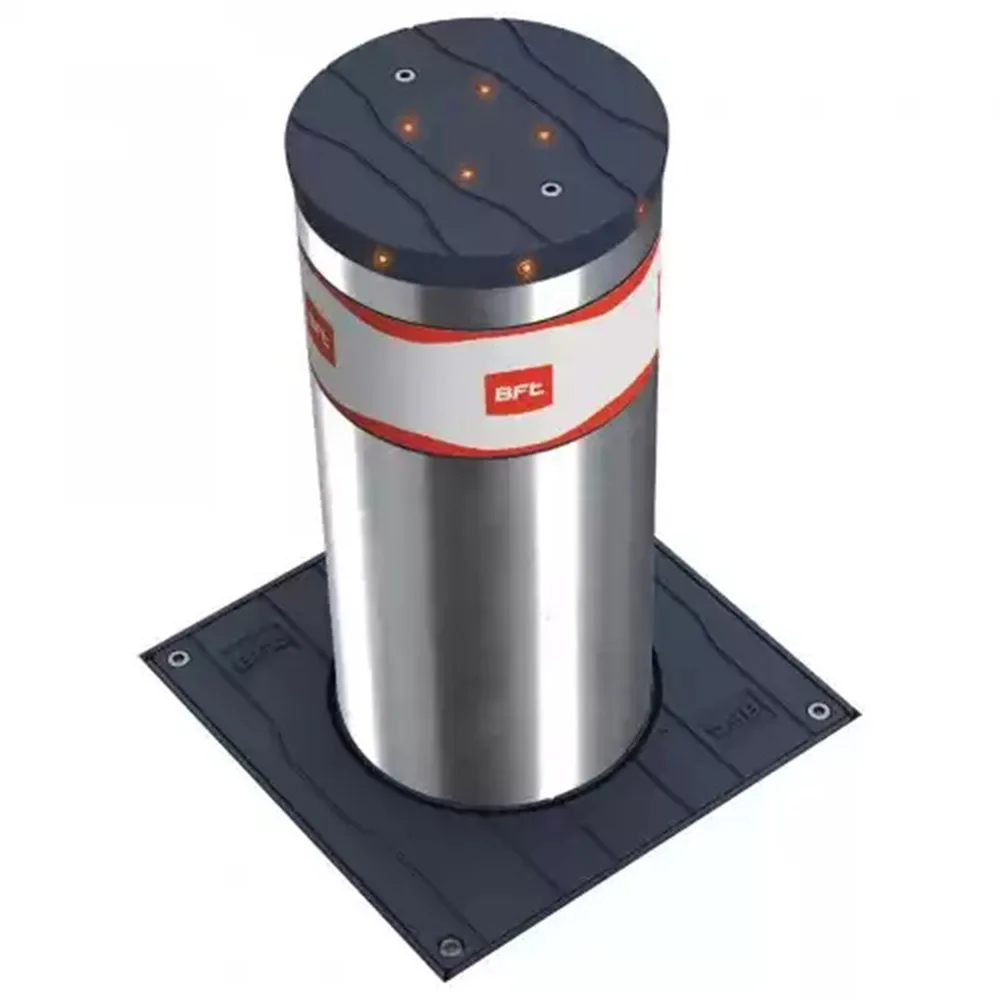
A separate case is the unit BFT PERSEO CBE 230.P SD. This has U-Link, receiver and heating circuit up to -40 °C. Thus, manage up to 4 Electromechanical or hydraulic pellets at the same time. Therefore, for retractable columns, this combined control BFT the logical choice remains.
How to choose the right plate
Before ordering, write down some installation data and then compare it to the plate technical file.
- Engine voltage, i.e. 24 V or 230 V.
- Number of operators: one or two, depending on the sheets.
- Type of operation, e.g. electromechanical or hydraulic.
- Accessories, such as electrical locks, lamps or photocells.
- Adjusting mode: display with menu or dip switches.
Also check the maximum power on the channel. For example, ALENA SW2 accepts 400 W per motor and RIGEL 6 accepts 650 W. Therefore, a stronger motor requires a BFT unit control with power reserve.
Common errors in replacing the plate
The replacement of a defective plate seems simple, but a few mistakes often occur.
- The new plate has a voltage other than the existing engines.
- The photocells remain unconnected "temporary, then forgotten.
- The racing limits shall not be re-learned after change.
- The engine force remains to the maximum, especially of convenience.
Therefore, after assembly you run a complete race learning procedure. Then test each safety device. Thus, a correctly-adjusted BFT unit control protects both caterpillars and humans.
Safety: BFT control panel and photocells
The plant works properly only with the safety devices. For example, the photocells stop or reverse the movement when an obstacle occurs. In addition, flashing light warns passers-by before starting. However, connections to 230 V require an authorized electrician.
For motorised ports there are clear technical requirements published by the national standardisation body, ASRO. Therefore, the installer checks the impact forces and the crushing areas when operating. Only then did the plate enter normal operation.
Radio control for a BFT unit control
Many BFT plates have built-in receivers. However, you can add an external receiver in the category radio receivers, Especially when you handle many remote controls. For example, KLEIO and MITTO models of remote radio controls using 433 MHz and rolling code. Thus, the command remains secure, because the plate accepts only memory codes.
Service and maintenance
A BFT control plate does not require much attention, but a few periodic checks help. First, you control the condition of the terminals and cables, especially in the boxes exposed to moisture. Then check if the insects have entered the carcass. You also test the photocells and the stopping force at each revision.
On the other hand, display plates often display diagnostic messages. Thus, the technician finds the cause of a stop sooner. Instead, at switch plates you follow the status ledes. Then note the settings in a log to easily reset the settings if you change the BFT control panel.
Frequently asked questions
Can I use a BFT-united control with motors from another brand?
Sometimes, but only if the tension and power match. However, we recommend combinations checked by the manufacturer, because force adjustments differ.
What do I choose between display and dip switches?
The display offers clear menus and diagnostics. Instead, dip switches allow a quick adjustment without navigation.
Do I need a BFT control unit with a separate receiver?
Not always, because many plates have built-in receivers. However, an external receiver helps, for example, when handling many remote controls.
If you don't know which plate fits your engines, open the category control stations and compare the models. The BFT Store team helps you choose, starting from voltage, number of motors and installation accessories.